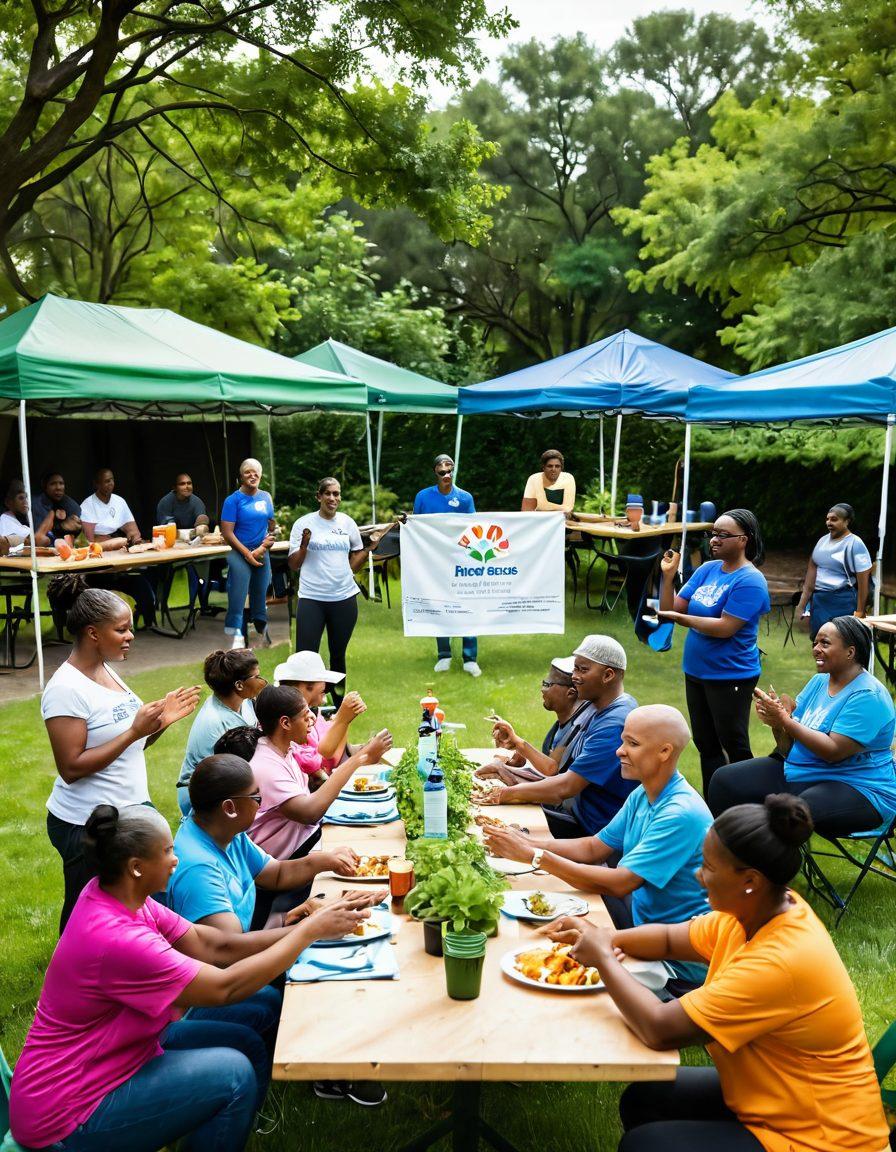
Empowering Wellness: Your Comprehensive Guide to Cancer Awareness and Patient Support
Navigating the waters of cancer can feel like an emotional rollercoaster for both patients and caregivers. The moment of diagnosis often transforms everyday life into a whirlwind of medical jargon and decisions, leaving many unsure of where to turn for help. Such revelations often ignite a quest for information and resources on oncology, neoplasia, and malignancy. But in this journey, remember that while the road may seem daunting, you are not alone; support is abundant and available to help you through the ups and downs. As Maya Angelou once said, 'You can’t use up creativity. The more you use, the more you have.' Just like that creativity, your resources will multiply when you reach out and explore every avenue available.
When it comes to cancer treatment, the options can often be overwhelming. From immunotherapy to chemotherapy and radiation therapy, understanding each method's benefits and potential risks can be a game-changer in your treatment journey. Knowledge is power, and educating yourself about screening and diagnosis can lead to early intervention and improved survivorship outcomes. Have you considered what the best treatment options for your unique situation might be? Surrounding yourself with healthcare professionals who specialize in your specific carcinoma can bolster your confidence and give you the clarity you need to make informed choices.
The emotional toll can weigh heavily on both patients and caregivers. During this challenging time, fostering community support can be a lifesaver. Support groups, whether in-person or online, can provide a safe space for individuals to share their fears, triumphs, and experiences. It’s essential to celebrate small victories, such as effective symptom management or successful adaptations to lifestyle changes, because every little step counts in the overarching narrative of cancer awareness and wellness. Have you thought about which local or national resources might be a fit for what you need right now?
Advocacy is another crucial aspect of navigating cancer. Patient advocacy groups can offer valuable insights not just about treatment options, but also on accessing medical research and clinical trials that could change the course of cancer treatment for many. Engaging with advocacy can empower you and your loved ones to ask the right questions during healthcare consultations and help raise awareness about risk factors that contribute to malignancy. The quest for knowledge isn’t just a personal journey; it helps build a stronger community that is well-informed and prepared to tackle the myriad challenges posed by cancer.
As you venture through this landscape of cancer awareness, wellness, and treatment, always keep in mind that you are a vital part of this journey. Whether it’s sharing your story through health blogs or learning about new developments in medical research, your voice matters. By educating yourself and those around you about the intricacies of neoplasia and its implications, you contribute to a more informed society that recognizes the importance of early detection in screening and prevention. Your journey may be tough, but with every effort and every shared story, you pave the way for hope and a brighter future for yourself and others.
From Awareness to Action: Empowering Communities in Cancer Prevention
In a world where cancer affects millions, it is essential to transform awareness into action. As we delve into the significant realm of cancer prevention, the discussion goes beyond the oncology textbooks and into the heart of our communities. Every year, countless individuals face the harsh reality of malignancy, but by fostering a proactive approach to health education and community support, we can steer lives towards survivorship. Isn't it intriguing to think that a single conversation can spark a change in someone’s approach to their health?
At the core of combating the epidemic of cancers—from benign neoplasia to aggressive carcinomas—lies the power of cancer awareness. Awareness not only provides knowledge about risk factors and symptoms but also empowers individuals with the understanding that early screening can save lives. Imagine a world where everyone is educated about the importance of regular check-ups and how a simple screening can make a significant difference. According to medical research, timely diagnosis often leads to a greater range of treatment options, ultimately improving patient outcomes.
Consider the ripple effect that awareness can create within communities. By organizing workshops, health blogs, and wellness blogs, we can educate people about different treatment modalities including chemotherapy, radiation therapy, and cutting-edge immunotherapy. Picture local groups coming together to discuss symptom management or share personal stories of resilience through patient advocacy. These conversations can remove the stigma surrounding cancer, transforming fear into hope and allowing community support to flourish. Are you ready to engage in these discussions with your friends or families?
More than just a series of unfortunate events, cancer narratives teach us lessons in vulnerability and strength, and how we can implement lifestyle changes that enhance quality of life. As we focus on wellness, it’s crucial to highlight that cancer prevention is not merely an individual battle. From maintaining a balanced diet to understanding the screening protocols for various types of tumors, each small change contributes to a larger victory against cancer. How will you integrate these changes into your own life or inspire your community?
Let's not forget the vital role of clinical research in the fight against cancer. It paves the way for innovative therapies and groundbreaking findings that can shift the paradigm of patient support. Access to patient resources not only bridges the gap in healthcare but also instills confidence in those diagnosed. By staying informed and sharing knowledge, we become advocates for ourselves and for those around us. What actions will you take to empower yourself and your community in the journey from awareness to action?
Understanding Treatment Options: A Path to Wellness and Survivorship
When facing a diagnosis of cancer, the flood of information about treatment options can be overwhelming. It feels like stepping into a maze of oncology terms and medical jargon, where every twist and turn leads to more questions than answers. How do we sift through this complexity to find a path toward wellness and survivorship? With the right approach, understanding treatment options becomes less about confusion and more about empowerment. Seeking knowledge through patient resources and leveraging community support can make all the difference in the journey towards healing.
Navigating the world of neoplasia can seem daunting, yet it is important to remember: cancer, be it a carcinoma or a tumor of another type, is not an insurmountable adversary. It is a journey where informed choices act as your compass. Take, for example, the various treatment modalities available today, ranging from traditional chemotherapy and radiation therapy to cutting-edge immunotherapy. Each option serves a purpose, and the right one comes down to your individual case, the tumor's characteristics, and the expert advice of your healthcare team. So, what treatment option resonates most with you?
As we dive deeper into the realm of cancer treatment, let’s consider the importance of personalized care within healthcare systems. Clinical research continuously unveils innovative therapeutic avenues aimed not just at combating malignancy but fostering a climate where symptom management and quality of life are paramount. Patients are encouraged to engage in health education, arming themselves with knowledge about risk factors, screening possibilities, and ongoing clinical trials. Share your story and engage with others; you might just find a hidden gem of advice that transforms your experience.
A engaging community support network fosters awareness surrounding cancer prevention and treatment options that extend beyond medical interventions. From transformative lifestyle changes to mindfulness practices, the road to wellness taps into holistic strategies. We often forget how lifestyle choices—what we eat, how we exercise, and even our mental health—play a crucial role in our cancer journey. Have you considered how incorporating wellness blogs into your reading list can inspire small changes that could yield significant results?
Finally, the essence of survivorship encompasses more than just battling cancer; it’s about thriving after your diagnosis. Patient advocacy leads the charge in this arena, pushing for more comprehensive resources to be made available. We must communicate and share experiences, ensuring future patients are not left navigating their cancer diagnoses in silence. Continuous encouragement of cancer awareness allows us to equip ourselves and our families with the tools necessary for effective health management. So let’s ask ourselves: how can we be advocates not just for ourselves, but for our communities?